Best Companion Plants For Roses That Will Make Your Garden Thrive
Roses are a classic flower that can add beauty and elegance to any garden. But did you know that planting companion plants with your roses can help them thrive? Companion planting is the practice of planting different types of plants together in order to benefit each other. When you choose the right companion plants for your roses, you can improve their health, increase their productivity, and deter pests and diseases.
In this blog post, we will discuss the best companion plants for roses. We will also provide some tips on how to plant and care for these plants together. So whether you are a beginner gardener or a seasoned pro, you are sure to find some helpful information here.
Benefits of Companion Planting with Roses
There are many benefits to companion planting with roses. Some of the most common benefits include:
- Improved plant health: Companion plants can help to attract beneficial insects, such as ladybugs and lacewings, which can help to control pests. They can also help to suppress weeds and improve soil drainage.
- Increased productivity: Companion plants can help to improve the pollination of roses, which can lead to increased flower production. They can also help to provide shade and shelter for roses, which can help to protect them from the sun and wind.
- Deterrent to pests and diseases: Some companion plants have natural pest-repelling properties. For example, marigolds can help to deter aphids and Japanese beetles, while lavender can help to deter mosquitoes. Other companion plants can help to improve the health of roses, making them less susceptible to pests and diseases.
Choosing the Right Companion Plants for Roses
When choosing companion plants for roses, it is important to consider the needs of both plants. Roses need full sun and well-drained soil. They also need to be watered regularly, especially during hot, dry weather. Companion plants should have similar water and sunlight requirements. They should also be tolerant of the same soil conditions.
Some of the best companion plants for roses include:
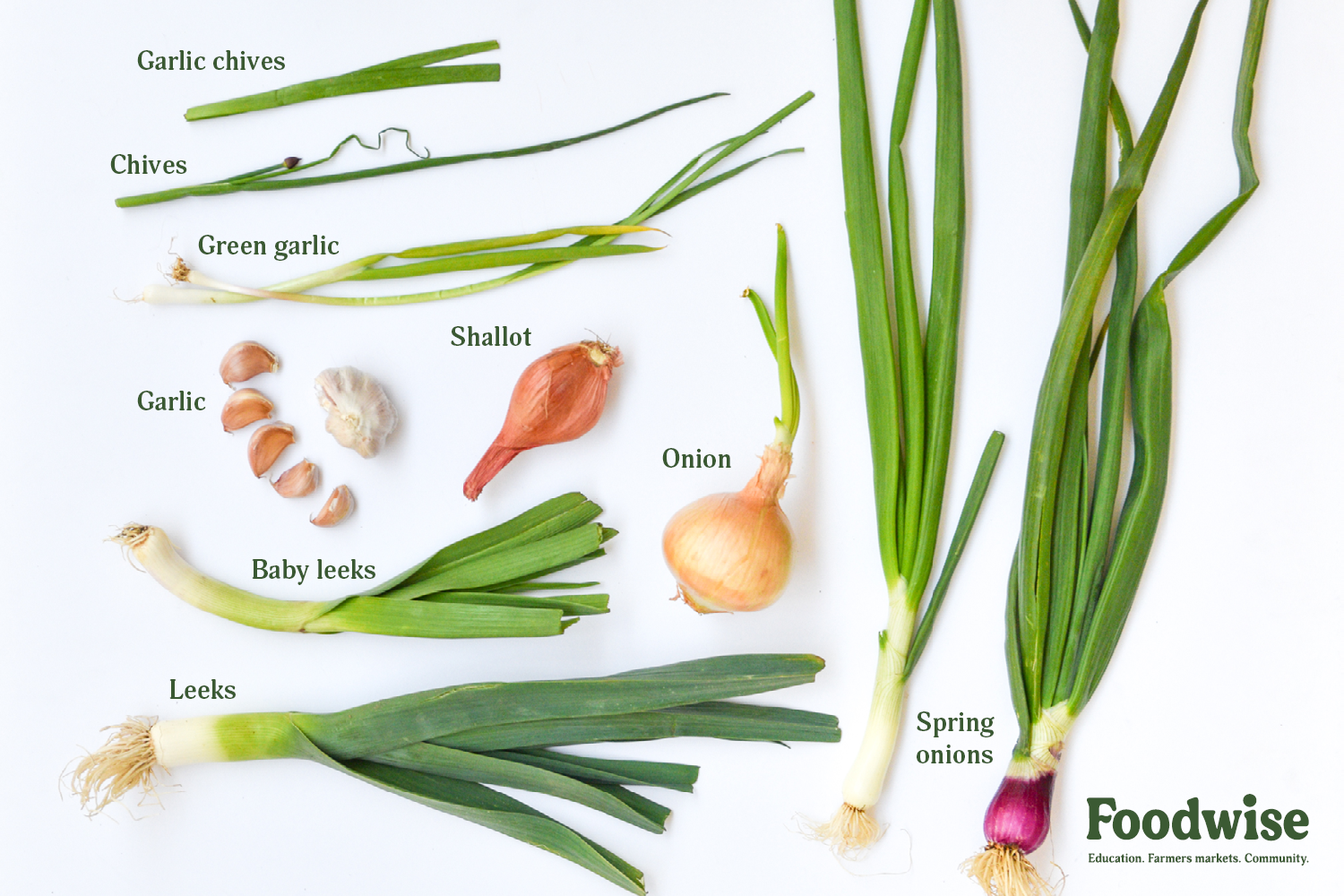
- Alliums: Alliums, such as chives and garlic, have a strong scent that can repel pests such as aphids, Japanese beetles, and spider mites. They can also help to improve the drainage of soil around roses.
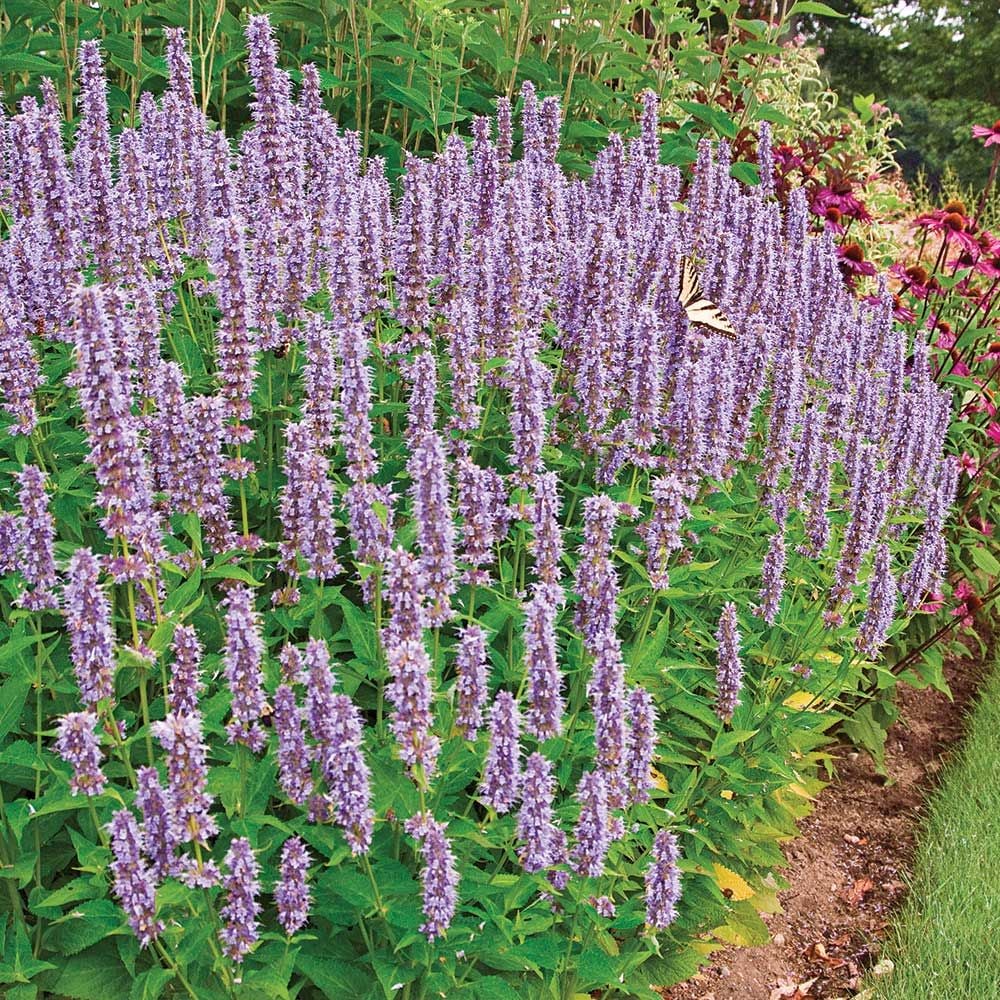
- Agastache: Agastache is a flowering herb that attracts beneficial insects, such as bees and butterflies. It can also help to deter pests such as mosquitoes and flies.
- Lavender: Lavender is a fragrant herb that can help to repel pests such as mosquitoes, moths, and rabbits. It can also help to improve the drainage of soil around roses.

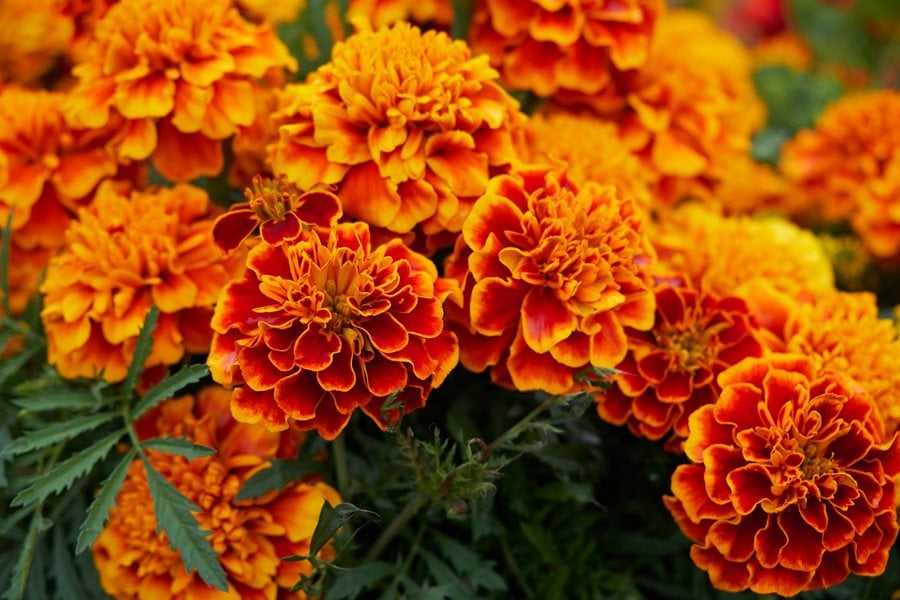
- Marigolds: Marigolds are another flowering herb that attracts beneficial insects. They can also help to deter pests such as aphids, nematodes, and whiteflies.
- Nepeta: Nepeta, also known as catmint, is a fragrant herb that can help to repel pests such as mosquitoes, ants, and fleas. It can also help to attract beneficial insects.

- Petunias: Petunias are colorful flowers that can help to add beauty to a rose garden. They can also help to attract beneficial insects and deter pests such as aphids and whiteflies.

- Salvia: Salvia is a flowering herb that attracts beneficial insects and can help to deter pests such as aphids and whiteflies. It can also help to improve the pollination of roses.
- Yarrow: Yarrow is a hardy perennial that can help to improve the drainage of soil around roses. It can also help to deter pests such as aphids and Japanese beetles.


Planting and Caring for Companion Plants with Roses
Once you have chosen the right companion plants for your roses, it is important to plant them correctly. Roses should be planted in full sun and well-drained soil. Companion plants should be planted in the same location and should have similar water and sunlight requirements.
After planting, it is important to water your roses and companion plants regularly. You should also fertilize your roses every few months. Companion plants do not typically need to be fertilized, but you can add compost or manure to the soil around them to improve their health.
Conclusion
Companion planting is a great way to improve the health and productivity of your roses. By choosing the right companion plants and planting them correctly, you can create a beautiful and thriving rose garden.
Roses are a beautiful addition to any garden, but they can be susceptible to pests and diseases. One way to help protect your roses is to plant companion plants that deter pests and attract beneficial insects.
Some good companion plants for roses include:
- Lavender: Lavender has a strong scent that deters pests like aphids, spider mites, and Japanese beetles. It also attracts bees and butterflies, which help pollinate your roses. Garden Wiki
- Marigolds: Marigolds are another great choice for companion plants for roses. They release a substance called thiophene, which deters nematodes, which are microscopic worms that can damage rose roots.
- Chives: Chives have a strong scent that deters aphids and other pests. They also help to repel deer and rabbits.
- Agastache: Agastache is a flowering plant that attracts beneficial insects like ladybugs and lacewings, which help to control pests. It also has a strong scent that deters mosquitoes.
- Yarrow: Yarrow is a hardy perennial that can tolerate poor soil and drought. It has daisy-like flowers that attract butterflies and other pollinators. It also helps to repel pests like aphids and spider mites.
If you are looking for more information about good companion plants for roses, I recommend visiting Garden Wiki. They have a comprehensive list of companion plants that are beneficial to roses, as well as information on how to plant and care for them.
FAQ of good companion plants for roses
Q: What are some good companion plants for roses?
A: There are many good companion plants for roses, but some of the most popular include:
- Marigolds: Marigolds are a great companion plant for roses because they help to repel pests like aphids and Japanese beetles. They also attract beneficial insects like ladybugs and lacewings, which help to control pests.
- Alliums: Alliums, such as garlic and chives, have a strong scent that deters pests like aphids, spider mites, and whiteflies. They also help to improve the soil by adding nitrogen and other nutrients.
- Herbs: Many herbs, such as rosemary, thyme, and lavender, make good companion plants for roses. They help to repel pests, attract beneficial insects, and improve the soil.
- Yarrow: Yarrow is a hardy perennial that helps to improve the drainage around roses. It also blooms for a long period of time, providing color and interest in the garden.
- Coneflowers: Coneflowers are another great choice for companion plants for roses. They attract beneficial insects, help to improve the soil, and provide long-lasting blooms.
Q: What are the benefits of planting companion plants with roses?
A: There are many benefits to planting companion plants with roses. Some of the most important benefits include:
- Reduce pests and diseases: Companion plants can help to repel pests and diseases that can damage roses. For example, marigolds help to repel aphids and Japanese beetles, while alliums help to repel spider mites and whiteflies.
- Improve soil health: Companion plants can help to improve the soil health around roses. For example, herbs like rosemary and thyme help to add nitrogen and other nutrients to the soil, while yarrow helps to improve drainage.
- Attract beneficial insects: Companion plants can attract beneficial insects like ladybugs and lacewings, which help to control pests. For example, marigolds and yarrow are both attractive to ladybugs.
- Extend the blooming season: Companion plants can help to extend the blooming season of roses. For example, coneflowers bloom for a long period of time, providing color and interest in the garden even after the roses have finished blooming.
Q: What should I avoid planting near roses?
A: There are a few plants that you should avoid planting near roses. These plants include:
- Bunchberry: Bunchberry needs shade and lots of water to thrive, which can compete with roses for resources.
- Toad lilies: Toad lilies need well-draining soil but do best in full shade, which is not ideal for roses.
- Leopard plants: Leopard plants have a love for shade and need slightly alkaline soil that is moist, which can be too much for roses.
- Fuchsia: Fuchsia requires shade and rich moist soil, which can compete with roses for resources.
Q: What is the best mix for potted roses?
A: The best mix for potted roses is a combination of ⅓ compost and ⅔ potting mix. This mix will provide roses with the nutrients they need to thrive, while also draining well to prevent root rot. You can also add a layer of well-rotted manure or mulch on top of the soil to help conserve moisture.
Image of good companion plants for roses
Here are 5 different images of good companion plants for roses from Pinterest:
- Lavender is a classic companion plant for roses. It helps repel pests and diseases, and its fragrant flowers attract pollinators.
- Catmint is another good option for companion planting with roses. It's deer-resistant and helps to deter aphids and other pests.
- Yarrow is a hardy perennial that can tolerate full sun and poor soil. It helps to attract beneficial insects and repel pests.
- Geraniums come in a variety of colors and can add a splash of color to your rose garden. They also help to repel pests and attract pollinators.

- Sage is a drought-tolerant herb that can help to improve the drainage around your roses. It also helps to repel pests and attract pollinators.

Post a Comment for " Best Companion Plants For Roses That Will Make Your Garden Thrive"